
Introduction and Overview
The Derbyshire Travel Guide outlines major attractions, entertainment and places of interest for visitors. The area guide includes travel information on local events, transport, facts & figures, entertainment and accommodation giving an insight in to the scenic county.
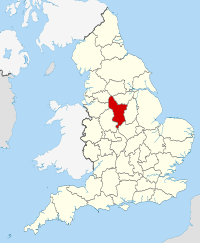
The county located in the East Midlands has a varied landscape characterised by tranquil dales, some lovely countryside, plenty of history and historical attractions including historic houses and a large number of National Trust properties.
The countryside is certainly welcoming in Derbyshire the sight of the meadows strewn with wild flowers is a wonderful one. Part of the Peak District is located in the county, the best known tourist attraction in the region offers a world of possibilities for visitors to experience.
Britain’s first-ever national park, the Peak District National Park, which offers terrain that is ideal for the passing tourist, walkers, horse riders and activity enthusiasts. The park covers around 500 square miles and is blessed with great wildlife and flora.
Whilst Castleton is famous for its fabulous caves, Eyam is one of the best preserved villages in the Peaks known as the ‘plague village’ after its population went into voluntary quarantine in 1665 as the Black Death came to the region. Buxton is an old long established spa town with one of the country’s finest Georgian crescents.
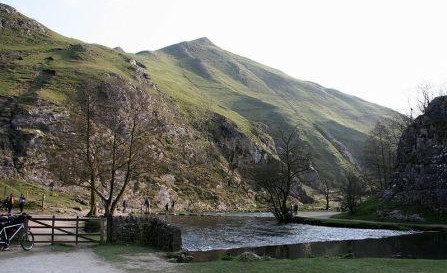
Visiting the beautiful Dovedale and the Manifold Valley you can see unspoiled villages and the environment where you can relax and simply just get away from it all. The High Peak, in the north, is characterised by its rugged millstone grit with heather moorlands.
Kinder Scout is the highest point while Mam Tor known as the ‘shivering mountain’ is the Dark Peak and the start of the Pennine Way. The higher land is a playground for climbers and cavers, and the sports enthusiasts such as hang-gliding, paragliding and microliting have taken to the area too. Shining Tor and Stanage Edge are among the most popular places for these pursuits.
Water sports fans find the lakes in the Peaks to their liking and create great conditions for sailing, canoeing, kayaking and windsurfing. The Derbyshire Dales are located to the south and include the White Peak and the Hope Valley, a varied landscape of gorges, caves, cliffs and manor houses among others.
The city of Derby is located in southern Derbyshire, on the banks of the River Derwent. The city dates back to Roman times and over the years placed a central role in the industrial revolution during the 18th and 19th centuries.
Historic sites include Derby Cathedral known for its architecture and tower and St Mary’s Chapel located on the banks of the river Derwent. The Derby and Art Gallery is located in the city centre and includes a diverse range of collections and exhibitions from artists from the UK and internationally.
Other places of interest include the Derby QUAD featuring a cinema, gallery, café and workshop and Pickford’s House museum where visitors can see a Georgian house as it would have been in yesteryear.
Shopping facilities in the city include the Westfield Derby shopping centre and the Cathedral Quarter where visitors can find restaurants, cafes, bars, historical landmarks and live performances.
Buxton is a spa town located 35 miles north of Derby in the scenic Peak District. Attractions include the Buxton Opera House that hosts a number of performances including opera, dance, musical and children’s shows each year. It also hosts a number of festivals in the year including the annual Buxton Festival.
The Buxton Museum and Art Gallery is located in the town centre, the museum showcases the archaeology, geology and history and the Peak District with a number of exhibitions, events and workshops.
Other sites of note include the Pavilion Gardens, the Devonshire Dome, a Grade II listed building, the 18th century Crescent, a Grade I listed building and the Go Ape adventure course for those after fun filled adventure.
Matlock is the county town of Derbyshire, centrally located in the county. Attractions include the Crich Tramway Village, where visitors can find the National Tramway Museum and ride on the historic trams. Gullivers Kingdom Theme Park in Matlock Bath features attractions, and over 65 rides offering a fun day out for the whole family.
Matlock Farm Park is a working farm offering a fun and educational day out, the Heights of Abraham is known for its cable cars set in a scenic setting with caverns and a hilltop park. Caudwell’s Mill at Rowsley is a Grade II listed building, the historic flour mill set in the scenic Wye Valley offers a fascinating insight into the mill.
Bakewell is a compact market town located in the Derbyshire Dales north of Derby. Notable landmarks include the All Saints Church, the parish church of Bakewell, dating back to the 12th century, a Grade I listed building.
The Bakewell Old House Museum explore 500 years of history, an early Tudor house there are a number of rooms to explore with Victorian and Tudor features and collections. Bakewell is located within 15 minutes drive of both Chatsworth House and Haddon Hall.
Derbyshire is well known for the Peak District and its various attractions, the county has plenty to offer visitors with a number of historic sites including Derby cathedral and Calke Abbey. There are several National Trust properties that preserve the history and heritage of the area.
The county is known for its elements of both town and country and being located in the East Midlands it has good transport links for visitors from both the North and South of the UK.

Disclaimer: The information given in on this website is given in good faith and to the best of our knowledge. If there are any discrepancies in no way do we intend to mislead. Important travel details and arrangements should be confirmed and verified with the relevant authorities.